Harnessing the Power of Light: Getting Started With Red Light and Infrared Light Therapy for Animals
In the world of animal wellness, non-invasive and drug-free tools are growing in popularity, and for good reason. Red light and infrared light therapy for animals are two gentle yet powerful options that are increasingly being used to support the health and comfort of pets, including horses.
These light-based tools offer a safe and simple way to enhance well-being, help with discomfort, and promote faster recovery, right from the comfort of home or barn.
Below we’ll explore how these therapies work, the differences between red and infrared light, their potential benefits, and how they stack up against other popular modalities like Pulsed Electromagnetic Field (PEMF) therapy.
Table of Contents
What Is Red Light and Infrared Light Therapy?

The Basics: Light as a Cellular Support Tool
Red light and infrared light therapy, collectively known as photobiomodulation, use specific wavelengths of light to stimulate natural processes in the body. These wavelengths penetrate the skin and interact with cells, boosting the energy they need to function, repair, and regenerate.
At the core of this is a molecule in our cells called cytochrome c oxidase, part of the mitochondria—the cell’s “power plant.” When light in the red or infrared spectrum reaches this molecule, it helps increase production of ATP (adenosine triphosphate), which is the main energy source for cellular activity. This boost in ATP supports a wide range of benefits, from tissue repair to relaxation and resilience.
Wavelengths: What’s the Difference Between Red and Infrared Light?
Understanding the difference between red light and infrared light helps clarify their uses when choosing what to use for light therapy for animals:
- Red light (typically 620–700 nanometers):
Penetrates up to about 8–10 mm beneath the skin. Ideal for surface-level concerns such as:- Skin health
- Minor wounds
- Soft tissue discomfort
- Near-infrared light (typically 780–1100 nanometers):
Penetrates deeper—up to 2 inches—making it ideal for supporting:- Muscles
- Joints
- Tendons
- Internal tissue recovery
Some devices use a combination of red and near-infrared light to provide a full spectrum of benefits.

How Pets Can Benefit from Red and Infrared Light
While light therapy isn’t a cure-all, it can be a wonderful tool for enhancing comfort and supporting your animal’s body in times of strain, stress, or recovery. Here are some ways red and infrared light may help your pet feel better:
Key Benefits
- Reducing pain and inflammation
The skin and nervous system play a vital role in the comfort of our animals. Both forms of light therapy help to move energy through the cells, improving fluid flow and helping restore the body to its natural state of healing. - Ease of movement
Light therapy can help reduce stiffness or tension in joints and soft tissues, helping pets move with greater ease and comfort. - Support for recovery
After surgery, strain, or minor injuries, light therapy may encourage faster natural healing by supporting circulation and cell regeneration. - Soothing for skin
Whether it’s a scratch, a hotspot, or general irritation, light therapy can help soothe the skin and promote a healthy barrier. - Comfort after activity
Great for aging animals or active ones, light therapy helps relax sore muscles and calm the nervous system after exertion or stress.
Special Considerations for Horses
Light therapy has found a particularly warm welcome in the equine world, where it’s being used by horse guardians, bodyworkers, and trainers alike. Some common applications include:
- Pre- and post-workout muscle relaxation
- Support for tight fascia or trigger points
- Comfort during hoof pain flare-ups or inflammation
- Wound support and skin health during the healing process
- Decompression of the nervous system in anxious or reactive horses
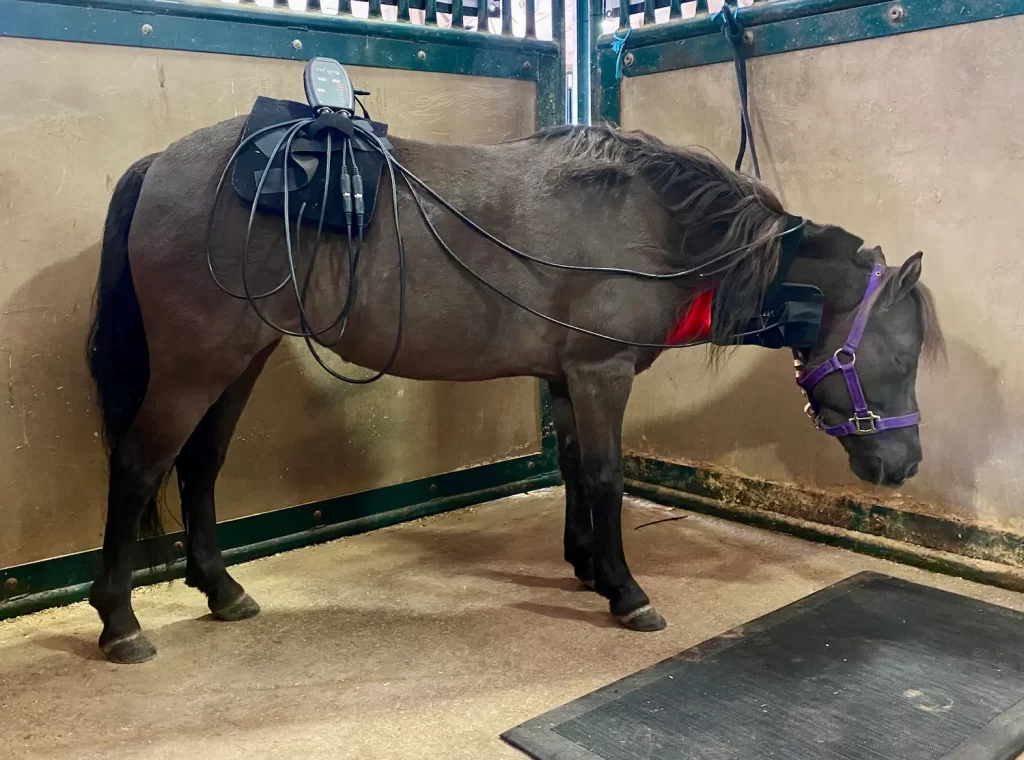
Equine-specific devices such as light therapy pads, wraps, and wands make it easy to target specific areas like backs, legs, and poll regions.

Safety and Accessibility: Why Light Therapy Is So User-Friendly
One of the biggest advantages of red and infrared light therapy for animals is how safe and accessible it is, especially when compared to more technical modalities like PEMF.
Safety First
- Most high-quality light therapy devices are non-invasive and well-tolerated by animals.
- Sessions can be short and gentle, often lasting only 5–20 minutes.
- There are no known long-term negative effects when devices are used as directed.
- Animals often respond positively, showing signs of relaxation during or after sessions (such as yawning, licking, or stretching).
Caution: Always avoid shining light directly into eyes, and do not use over active tumors, pacemakers, or open growth plates in young animals without guidance from a qualified practitioner. Avoid infrared use in pregnant animals as safety has not been well-studied.
Easy to Use at Home or Barn
- Many devices are portable, cordless, and rechargeable.
- Most products come with clear instructions for use, including ideal session times and frequency.
- No training is needed to get started with basic applications, though professional training is available for deeper therapeutic use.
Budget-Friendly Options
Compared to some alternative therapies, light therapy has a lower financial barrier to entry. Handheld devices and targeted pads can start under $200, and they can be used on multiple animals for years.
Light Therapy vs. PEMF: How Do They Compare?
PEMF, or Pulsed Electromagnetic Field therapy, is another alternative treatment option that has gained popularity among pet owners. PEMF uses electromagnetic fields to stimulate cellular processes and promote healing, similar to light therapy.
However, there are some key differences between PEMF and light therapy that pet owners should consider:
- Accessibility: Red light and infrared light therapy devices are generally more accessible than PEMF devices, with a wider range of products available for at-home use.
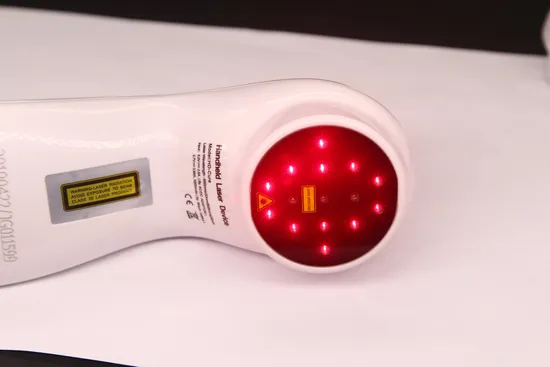
- Red and Infrared Light offer handheld wands, area-shaped pads like hock boots, full blankets for horses, and bed pads for small animals.
- PEMF is growing, and portable units like Resona Health’s Vibe are becoming more popular. The Bemer blanket is also simple to use with a lower risk compared to heavy duty machines like coils.
- Ease of use: Light therapy devices are often simpler to use compared to PEMF devices, making them more suitable for pet owners who prefer a more straightforward approach to treatment.
- Cost-effectiveness: Light therapy devices tend to be more affordable than PEMF devices, making them a more cost-effective option for many pet owners.
- Potential side effects: While both therapies are considered safe, light therapy has fewer reported side effects compared to PEMF, which can sometimes cause discomfort or irritation at the treatment site when using higher powered machines, or the shutdown of ATP.
In short: Light therapy is often more approachable and budget-friendly for beginners, while PEMF may be better suited to deeper or more complex cases under guidance.

How to Get Started
Ready to try red or infrared light therapy for your animal companion? Here’s a quick-start checklist:
Step 1: Choose a Device
Various devices are available for at-home use, including handheld devices, pads, and blankets.
Consider your pet’s specific needs and preferences when selecting a device.
For horses, consider options designed specifically for equine use.
Look for a veterinary-approved or animal-safe brand. Decide if you want a handheld wand, wrap, pad, or blanket. For horses, go for options designed specifically for large animals and rugged use.
My favorite brand, and the one I’ve been using for coming up on 5 years, is RevitaVet. Their customer service is excellent, and they are so knowledgeable about how the devices operate. You can use my referral code AJ Ericson at checkout to save 15%.
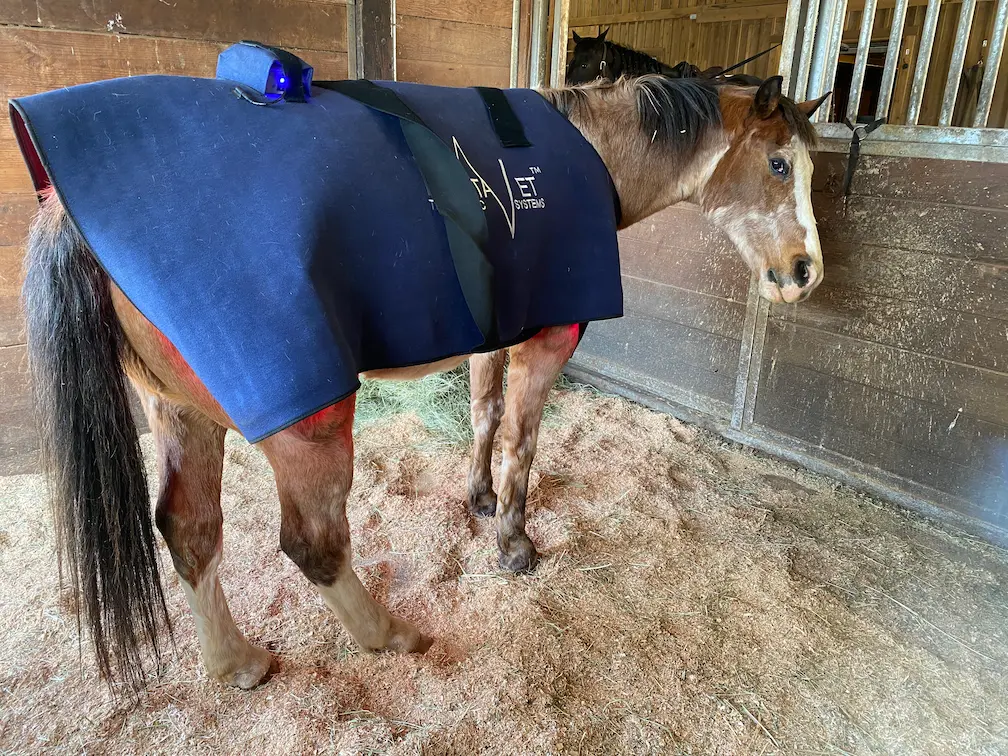
At New Future Healing Arts, I use red light and infrared light products mainly from RevitaVet. In my equine bodywork practice, I’ve come to rely on RevitaVet’s light therapy products to support the health and well-being of the horses I work with.
I’ve found their infrared therapy system to be an invaluable tool for addressing common issues like inflammation, pain, and injuries in a non-invasive and drug-free way.
I’ve seen horses with acute hoof pain walking pain-free within 24 hours, horses with breathing issues winning driving championships after treatment, and anxious horses finally relaxing and letting down to allow healing to happen.
I feel confident recommending RevitaVet to my clients because of the 100% satisfaction guarantee they offer, as well as the excellent customer support and educational resources they provide.
Step 2: Learn the Basics
Familiarize yourself with the proper use of your chosen device, including the recommended treatment times and frequencies. This information should be available in the product’s user manual or on the manufacturer’s website.
Most devices suggest starting with short sessions (5–10 minutes per area) a few times a week, depending on the situation.
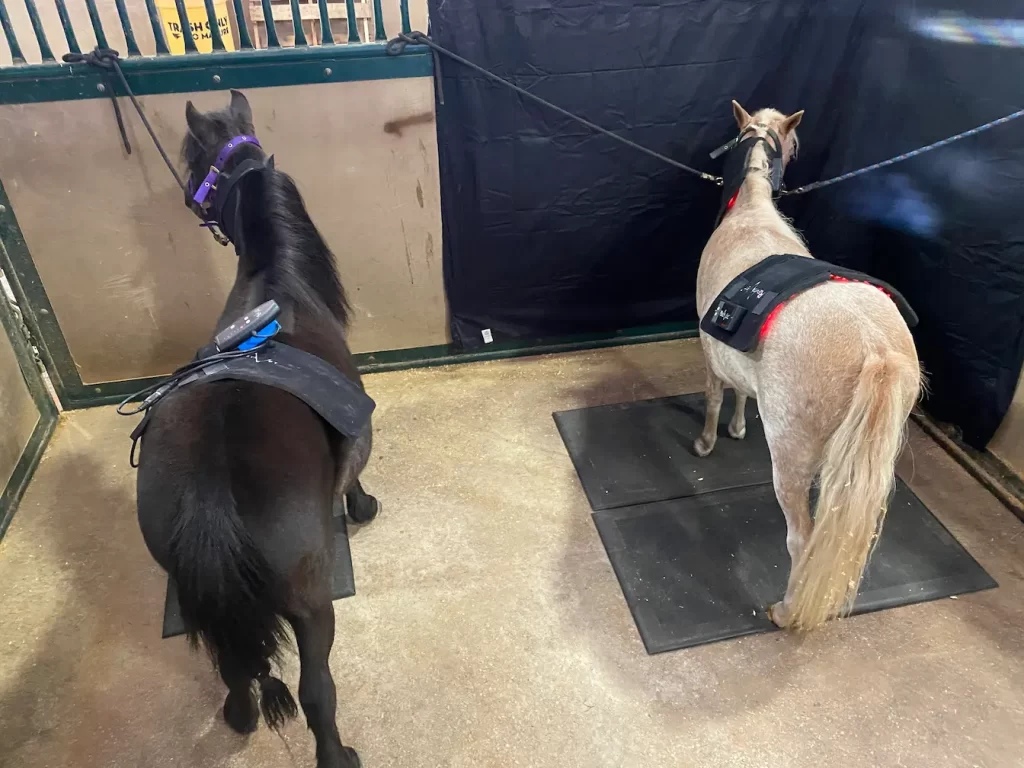
Ask your regular bodyworker or veterinarian for recommendations on areas to use the devices or pads. I often focus on the acupressure meridians or areas where the horse seems to be sore or tight.
Step 3: Observe Your Pet
Animals are intuitive. Watch for signs of relaxation or discomfort. Many show clear signs of enjoyment like:
- Leaning into the light
- Relaxed posture
- Yawning or stretching
- Greater comfort after the session
Step 4: Integrate with Care
Use light therapy as a complementary part of your wellness routine. Combine it with rest, good nutrition, hydration, bodywork, or movement to get the best results.
If you’re unsure about using light therapy for your pet, consult with your veterinarian or an animal health professional experienced in these therapies. They can provide guidance on the best approach for your pet’s unique needs.
Final Thoughts
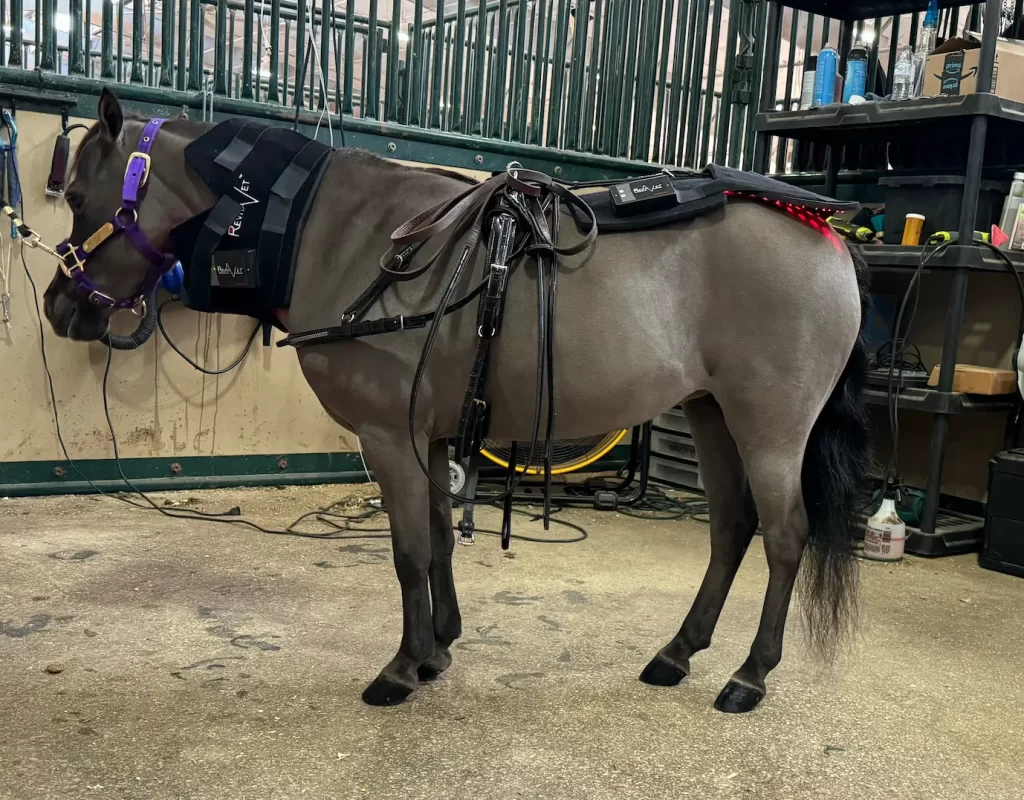
Red and infrared light therapy for animals offers a gentle, science-backed way to support your pet’s natural healing and comfort, whether you’re tending to a sore paw, helping a performance horse unwind, or simply looking for ways to help your animal friend feel their best.
Red light and infrared light offers numerous benefits for pets, including horses, making them a valuable addition to any holistic health care plan.
By understanding the science behind these therapies and comparing them to alternative treatments like PEMF, you can make an informed decision about the best approach for your pet.
As you explore these therapies, remember to consult with a veterinarian or animal health professional for guidance and consider your pet’s unique needs and preferences when selecting a device. With the right approach, red light and infrared light therapy can play a significant role in keeping your pet healthy and comfortable.